
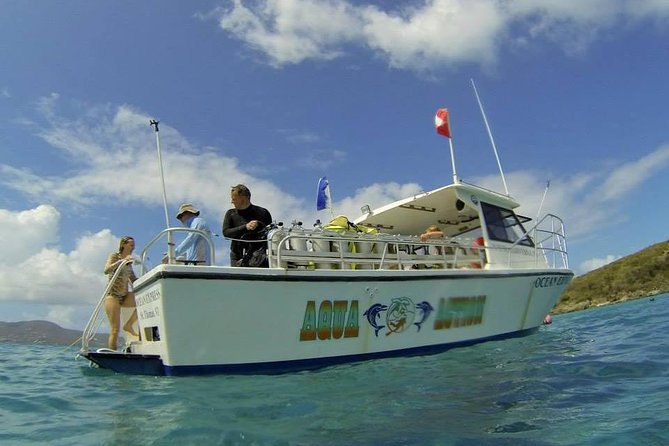
Reviewed · ST THOMAS TOURS
Discover Scuba Diving
Learning scuba in St. Thomas is interesting because it is not a guess-and-go thing. You start with basic instruction, then you practice in controlled water with an instructor right next to you.
What I like most is the patient, hands-on coaching for first-timers. The second big win is that you show up gear-ready thanks to all scuba equipment included, plus a Discover Scuba booklet you can take home.
One consideration: the course often begins shallow and close to shore, so if you are chasing maximum depth right away, you may find the early underwater part feels a lot like snorkeling with extra steps.
Key Things to Know Before You Go Underwater
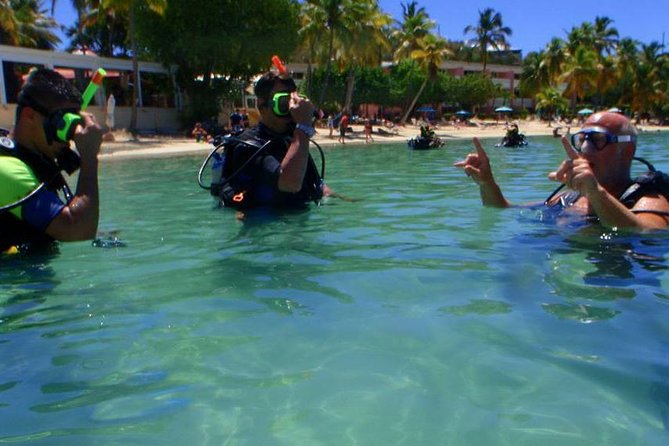
- Max 12 people means you are less likely to get lost in the shuffle, and your instructor can actually keep eyes on you.
- Instructor stays close the whole time, which matters when you are figuring out buoyancy, breathing, and simple equipment checks.
- Classroom to shallow practice to deeper session is a smooth progression, not a single big leap.
- Reef and wreck areas offshore are an option, either from a bay session or by boat depending on conditions.
- All the core gear is provided, so you spend your time learning instead of shopping or troubleshooting rentals.
What Makes This St Thomas Discover Scuba Experience Work for Beginners
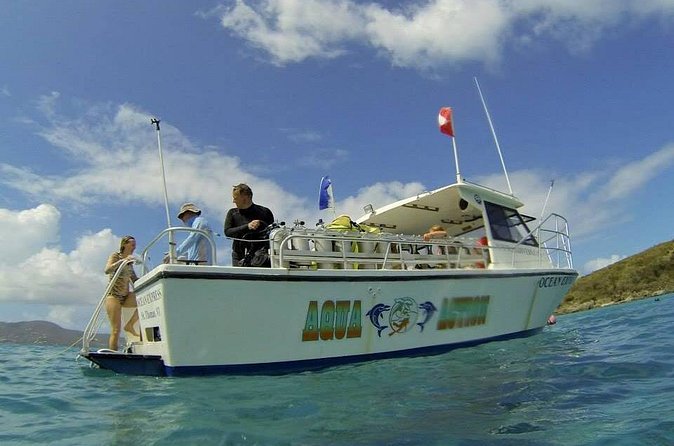
This half-day Discover Scuba experience is built for people who want the thrill of scuba without needing a certification first. You get coached through the basics, then you move into open water with support, not just equipment and hope.
Aqua Action Dive Center keeps the format simple: classroom time, then shallow-water practice, then a deeper-water underwater session in the bay area or a boat ride to reef and wreck sites offshore. That structure is exactly what you want when you are learning how breathing, body position, and buoyancy work together.
The training is also paced for comfort. You are not thrown into the deep end, and you are never far from your instructor. That matters because a first scuba experience can be mostly about calming nerves, learning equipment basics, and keeping your breathing steady.
Other St Thomas days that fit around a ship schedule
- Two-Tank Dive for Certified Diving in St Thomas
★ 5.0 · 456 reviews - Discover Scuba Diving with No Certification in St Thomas
★ 5.0 · 223 reviews - Private Full Day Guided Snorkeling or Diving Charter in St Thomas
★ 5.0 · 18 reviews
The Classroom Start, Where You Get Prepared to Relax
Your first stop is a classroom briefing with your instructor. This is not just theory. It is the part that helps you understand what you are about to do, what to watch for underwater, and how to handle the basic equipment setup.
For first-timers, this stage pays off because it reduces guesswork. If you know what each piece of gear does, you handle it faster later in the water. If you understand how breathing should feel, you panic less when the moment arrives.
You also get a Discover Scuba Diving booklet included. A take-home guide like this is useful after your session, when the details are still fresh and you can keep reviewing what you learned.
Gear Fitting and the Equipment Check That Saves Your Day
Once you switch from classroom to water time, the course leans hard on equipment fit and comfort. You get the full setup: tank, weights, BCD, regulator, wet suit, fins, mask, and snorkel.
I really like this approach for beginners because equipment problems are common the first time you try scuba gear. If your mask leaks or a strap does not sit right, your attention goes to irritation instead of learning.
In fact, you can see why this matters from real experiences people shared with the team. One first-timer found an early gear issue, and their instructor stayed patient while swapping out what was causing the trouble. That is the kind of calm problem-solving you want when you are nervous already.
Practical tip: before you ever head toward the water, give your instructor a quick heads-up about anything that feels off, like mask fit pressure or fin comfort. The best sessions start with small fixes, done early.
Shallow Water Skills: Your First Steps in Controlled Conditions
Next comes the shallow-water practice. This is where you learn the basic rhythm: how to breathe through the regulator, how to manage your buoyancy, and how to move without panicking or kicking like a runaway metronome.
You will typically practice in very manageable water depth first, so you can focus on technique. That shallow stage is also where you can get used to how being weighted changes your body position in the water.
One thing to be aware of: some people may find the initial underwater part stays relatively close to shore and not very deep. If you were expecting a dramatic, towering descent right away, you might feel a little underwhelmed at first. The tradeoff is that you get a safer learning curve with supervision, and you build confidence before anything deeper.
Something drier for the back half of a St Thomas day:
- Turtle Cove Catamaran Snorkel and Sail at Little Buck Island STT
★ 5.0 · 2,100 reviews - Snorkel St. John Tour from Sapphire and Margaritaville
★ 5.0 · 1,874 reviews - Night Kayak Tour St. Thomas – Westin Frenchman’s Reef
★ 5.0 · 1,813 reviews - Tree Limin’ Extreme Zipline
★ 5.0 · 1,713 reviews
The Deeper Water Part: Bay Session or Boat to Reefs and Wrecks
After shallow skills, the experience moves to a deeper-water session. Depending on conditions, you either stay in the bay area or hop onto a boat to reach underwater areas offshore.
This is one of the biggest value points of the whole experience. You get a progression from learning basics to experiencing more of what scuba is for: actual underwater life and structure beyond the first few feet.
If you are hoping for coral, fish, and more interesting bottom scenery, the boat option can help. The program is designed to let you experience reefs and wrecks off St. Thomas when conditions allow.
And yes, you may also see plenty of marine life even closer to shore. People often talk about noticing corals, sea anemones, and fish during their session, plus the chance to spot larger animals when you are paying attention. One memorable moment people described was a large stingray resting near the bottom.
Reality check: what you see underwater varies with day, water conditions, and where the team can operate safely. The course is about learning how to do scuba, not guaranteeing specific animals or perfect visibility.
What You’ll See Underwater, Without Overpromising
Scuba in St. Thomas is famous for variety, and this beginner course is set up to give you meaningful underwater moments rather than just training drills.
Based on what people shared, you can expect to notice:
- Corals and sea anemones in the areas you visit
- Schools of fish that feel close enough to really appreciate
- Bigger sightings when you are lucky, like a stingray resting on the bottom
The best mindset is this: treat the visibility and wildlife as bonus frosting, and treat the learning as the main course. If you do that, even a less spectacular day still feels like progress because you learned a new skill.
Why the Price Feels Fair (and What You Should Compare)
At $175 per person, this course sits in the middle ground for beginner scuba experiences in the Caribbean. The reason it can feel like good value is that it includes the stuff that often adds up fast: tanks, weights, BCD, regulator, wet suit, fins, mask, snorkel, plus a qualified instructor and the take-home booklet.
You are also not doing this alone. Your instructor is with you throughout the session. For first-timers, that one factor can be worth more than the price difference between a less structured option and one with more hands-on guidance.
One cost you should plan for: gratuities are recommended at 15 to 20% of the tour cost. That is not small, so if you are budgeting tightly, you will want to include it.
Booking timing note: this experience is often booked well in advance, with an average of about 46 days. If you are traveling in peak season or with a group, I would not assume you can wait.
Instructor Style: The Real Difference in a First-Time Session
Most people can handle scuba basics when instruction is calm, clear, and close. This course is often praised for exactly that, with instructors who explain steps clearly and keep checking in.
Names that came up include Jack (patient and clear with instructions), Danny (helpful and patient), and Stephanie (described as an excellent dive guide and instructor in the water). Other team members mentioned include Sam and Diane, plus Jaun as part of the instructor team.
You do not need a specific name for success, but you should care about the teaching style. Look for an approach that:
- starts with reassurance if you feel nervous
- fixes gear issues immediately
- stays nearby so you are not trying to figure things out alone
That is the difference between leaving the water thinking you did it, and leaving frustrated because you spent the whole time wrestling equipment.
Timing, Group Size, and Physical Comfort
The total duration is about 3 hours 30 minutes. That is long enough to feel like you did something real, but short enough that you can still enjoy the rest of your St. Thomas day.
The group size tops out at 12 travelers, which helps keep the experience personal. It also means you are likely to get more direct attention during gear setup and in-water coaching.
You should have moderate physical fitness. That does not mean you need to be an athlete. It does mean you should be comfortable with basic water skills and the idea of being in a wet suit, wearing fins, and moving carefully while you learn buoyancy control.
Safety Rules That Matter: Health, Flying, and Weather
Scuba is not only about fun. Safety requirements are part of the program.
Before you go in the water, you will complete a health questionnaire. Some medical conditions, like asthma or heart conditions, may prevent diving. If you have any concerns, talk to your doctor ahead of time so you do not waste your vacation planning.
Also, diving within 24 hours of flying is not recommended. If your schedule has you arriving by air the day before your lesson, consider adjusting your plans if you can.
Weather matters too. The experience requires good conditions, so if the operation is canceled due to weather, you should be offered a different date or a full refund.
If you are the type who hates surprises, this is where it helps to book thoughtfully. Give yourself a buffer day or keep your expectations flexible.
Practical Tips to Make Your First Underwater Lesson Go Smoothly
Here are the small things that help you enjoy the experience more, especially if you are nervous.
- Arrive early enough to get fitted without rushing. Gear that feels right makes everything easier.
- Be honest about discomfort. If your mask, fins, or weights feel wrong, say so right away.
- Plan on calm breathing. If you focus on steady breathing, buoyancy usually improves naturally.
- If you want the best wildlife moments, keep your body relaxed and your movements slow once you are in the water.
- After your session, take time to cool down and hydrate. Even if you feel fine, your body worked.
Who Should Book This Course, and Who Might Want Another Option
This Discover Scuba experience is a smart fit if:
- you are a complete beginner and want instruction in real water
- you want to try scuba without certification pressure
- you would like a structured progression from shallow practice to deeper water
- you appreciate hands-on coaching and clear, patient teaching
It might not be the best match if:
- you only care about maximum depth on day one
- you want a long, purely adventure-style experience rather than a skill-building format
- you have medical concerns that could make participation unsafe and you have not cleared it with a professional
Should You Book Discover Scuba Diving in St Thomas?
If you are curious about scuba and you want a guided, confidence-building first try, I think this is an easy yes. The combination of classroom preparation, supervised shallow practice, and a deeper-water step gives you a realistic shot at succeeding even if you are anxious.
It is also a good value when you factor in that the gear and instruction are included, and the format is built for beginners, not experienced divers.
Book it if you want to leave with a new skill, a strong sense of what scuba feels like, and the motivation to keep going toward certification later.
Hold off if your main goal is going far and fast, or if you are worried about health constraints or flying timing. In those cases, you will get more peace of mind by planning your schedule and getting medical guidance first.
FAQ
What is included in the Discover Scuba experience?
You get a Discover Diving booklet, all scuba-related equipment such as tanks, weights, BCD, regulator, wet suit, fins, mask, and snorkel, and a qualified instructor.
Do I need scuba certification to take this course?
No. This is a beginning introduction to scuba that lets you experience scuba without a certification.
How long is the experience?
It lasts about 3 hours 30 minutes.
What kind of diving will I do?
You will start with an instructor in a classroom, then practice in shallow water. You’ll finish with a full deep-water underwater session in the bay or go by boat to two Caribbean Sea dive locations, depending on conditions.
Are there any health or flying restrictions?
You must complete a health questionnaire before diving, and diving within 24 hours of flying is not recommended. Some medical conditions may prevent you from diving, so check with your doctor.
Is tipping expected?
Gratuities are not included, and they are recommended at 15 to 20% of the tour cost.
Newest off the St Thomas dock
- Sunset on the Water + Night Snorkeling with Guide in St. Thomas★ 5.0 · 3 reviews
- Private Sunset Charter + Guided Night Snorkeling in St Thomas★ 5.0 · 3 reviews
- Night Life Experience – St. Thomas USVI (3hrs)★ 5.0 · 3 reviews
- ST.Thomas Private Airport One-Way Transfers★ 5.0 · 3 reviews
- Coral Reef and Turtle Kayak Excursion★ 5.0 · 3 reviews
- St Thomas Private Airport Transfer★ 5.0 · 3 reviews
- Royal Limousine Service★ 5.0 · 3 reviews
- Prince Taxi & Tours St.Thomas Airport transfer to Redhook Ferry★ 5.0 · 3 reviews
St Thomas Tours, compared.
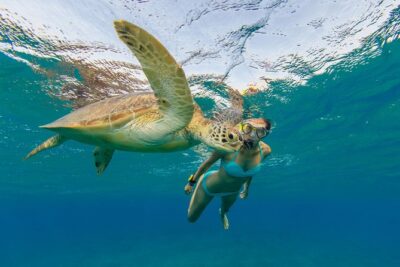
Turtle Cove Catamaran Snorkel and Sail at Little Buck Island STT
Read our review →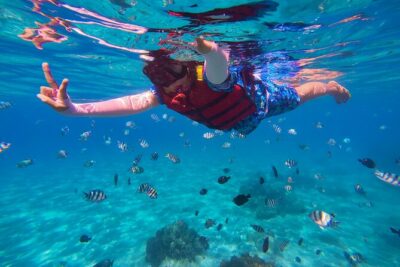
Snorkel St. John Tour from Sapphire and Margaritaville
Read our review →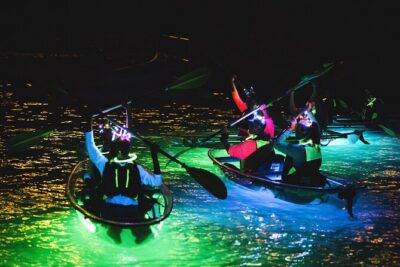
Night Kayak Tour St. Thomas – Westin Frenchman’s Reef
Read our review →
Afternoon Snorkel, Pizza & Sunset Tour departing from St. Thomas & St. John
Read our review →
Sunset & Harbor Lights Dinner Sail from the Marriott’s Frenchman’s Cove
Read our review →
Sea Trek Helmet Dive at Coral World Ocean Park
Read our review →Browse the lists this tour appears in