
Reviewed · ST THOMAS TOURS
PADI / SSI Open Water Certification
Scuba certification in St Thomas is interesting because you’re not just visiting a pretty island. You’re working toward a real credential while you explore local reef and wreck scenery on safe, structured days. If you like learning with a tight group and clear coaching, this format can feel very doable.
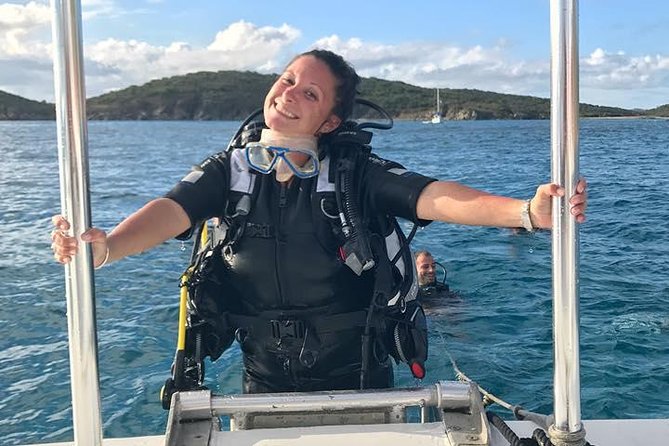
I like that the course is built around a small maximum group size of 8 and includes scuba gear for the training. That combo usually means less waiting around, more time practicing, and more attention when something feels new, like buoyancy control or mask fit. Names that show up with consistently strong teaching in the experience include Kyle, Steph, Erica, Abby, and Jaime.
One thing to consider before you book: this requires you to complete eLearning before you start in-water training, and you’ll also need to coordinate an early pool session plus two open-water check-out days. If your schedule is tight, that back-and-forth can take a bit of planning.
Key Highlights Worth Your Attention
- Small group size (max 8) helps you get coaching when you need it
- eLearning first, so in-water time is mostly skills practice and check-out
- Confined water training before open-water sessions, which keeps the learning curve steady
- Two boat days for open-water check-out, with bottled water, soft drinks, and snacks onboard
- Strong instructor vibe stands out, with staff like Kyle, Steph, Erica, and Jaime repeatedly noted for calm, patient teaching
- You don’t need to bring gear, since equipment is included for the course
St Thomas Open Water Certification, the Setup That Makes It Feel Manageable
This is a classic “learn it, practice it, prove it” course, but done with island logistics that help you get lots of practical time without constantly traveling back and forth. You start with the theory portion on your own (through required eLearning), then you move into hands-on practice with an instructor in a controlled setting.
What I like about this approach is how it reduces the stressful parts of day one. Instead of throwing you straight into water and hoping it clicks, you build confidence first. That matters because open-water skills are not only about technique, they’re about staying calm when your body is doing something unfamiliar.
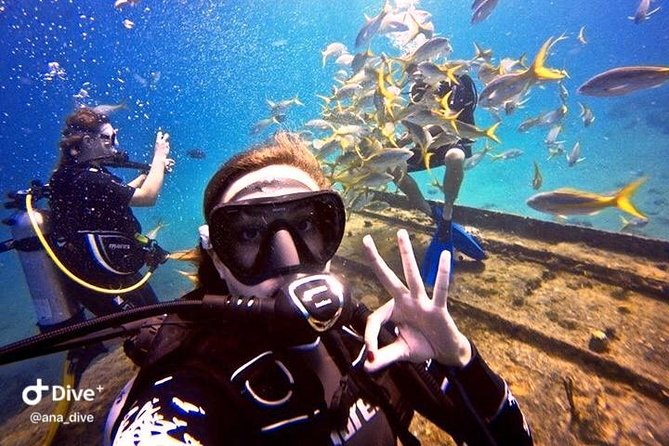
Another reason this is a smart choice in St Thomas: you can pair certification progress with real island marine scenery. The training includes structured open-water sessions that let you experience the joy of being underwater around reefs and wrecks, even while you’re still learning basics.
Other St Thomas days that fit around a ship schedule
- Turtle Cove Catamaran Snorkel and Sail at Little Buck Island STT
★ 5.0 · 2,100 reviews - Snorkel St. John Tour from Sapphire and Margaritaville
★ 5.0 · 1,874 reviews - Night Kayak Tour St. Thomas – Westin Frenchman’s Reef
★ 5.0 · 1,813 reviews
How the Schedule Really Works: eLearning, Pool Skills, and Two Open-Water Days
Your booking sets you up for about 3 days total on the calendar, but the in-water workload is spread into at least 3 half-days (about 1.5 days in the water). The main pattern is:
- You complete eLearning first (not included in the package price).
- Then you do skills practice in confined water with your instructor.
- After that, you do two boat days for open-water check-out sessions.
After you register, the operator needs to schedule an early morning pool session ahead of your selected date, plus schedule your second open-water boat day. So yes, there is coordination. The good news is they explicitly invite you to contact them so they can match instructor availability and help get eLearning assigned if you haven’t started.
Timing note: the meeting point is Saga Haven Marina (00802) with a listed start time of 1:00 pm. But your pool session is described as early in the morning and will be scheduled separately. Bring that in mind when you plan flights, car rentals, and your hotel check-in day.
Confined Water Lessons: Where You Learn Skills Without the Pressure
This course uses a “confidence first” pathway. You meet your instructor, then you practice core skills in a confined water environment before you ever do the open-water check-out sessions.
That staging is valuable. It turns the first few hours of scuba readiness into a skills lab instead of a stress test. You get feedback on the things that typically make beginners stall: breathing rhythm, buoyancy, regulator recovery motions, and general comfort with the equipment.
I also like that the training gear is included. That removes a common beginner headache, which is arriving on vacation and realizing you forgot the right size or that you can’t get comfortable in your setup. When you show up with scuba gear already provided, you can focus on learning.
In the training space, instructors like Steph, Erica, and Kyle are specifically noted for being calm, thorough, and patient, with teaching that helps you understand what is expected before you’re asked to perform it.
Open-Water Check-Out on the Boat: What to Expect and What Might Vary
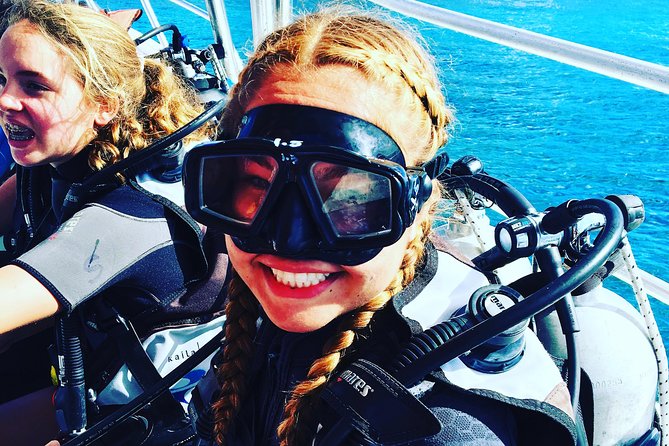
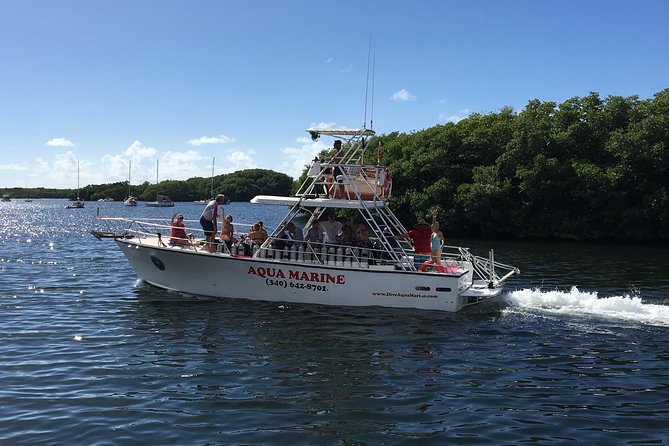
Once your confined water practice is done, you’ll move to open-water check-out sessions. These are scheduled as two boat trips, and each trip is designed to let you demonstrate skills safely in real conditions.
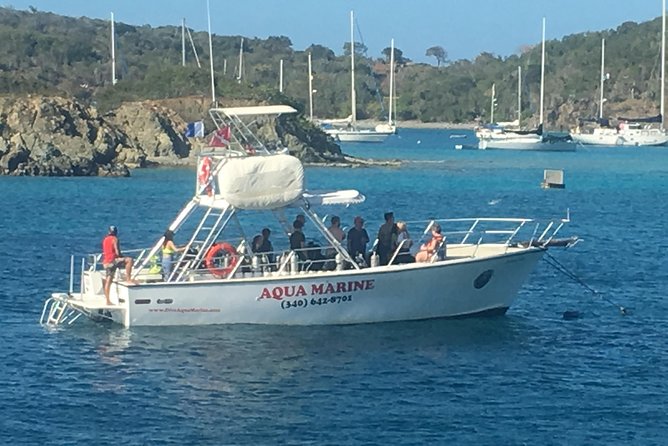
On the boat, you’re not left to figure things out. The operator provides bottled water and snacks for comfort, and the course is capped at up to eight people, which helps keep the day from feeling chaotic. Smaller groups also make it easier for an instructor to see what each person is doing and step in quickly if needed.
Now, the honest part: open-water conditions can change your day. One example from the experience includes a shallow first site around about 30 feet in an area like Christmas Cove, where visibility was poor and sea grass and sand meant turtles were not guaranteed. That doesn’t mean you should avoid certification here. It means you should treat the first open-water site as a skills zone, not as a wildlife guarantee. If you’re lucky with conditions, you’ll likely see more life, but you’re there for certification first.
One more practical note: the operator’s guidance also emphasizes safety and medical readiness, and you should expect to complete a standard Diver Medical Questionnaire on arrival. If you have any health conditions that might require written pre-approval, review ahead of time and plan to bring documentation if needed.
Something drier for the back half of a St Thomas day:
- Tree Limin’ Extreme Zipline
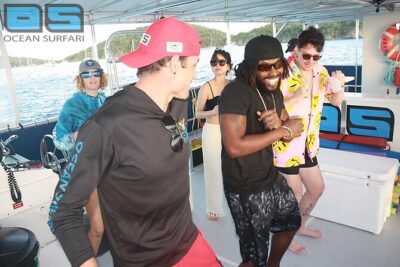
★ 5.0 · 1,713 reviews - Afternoon Snorkel, Pizza & Sunset Tour departing from St. Thomas & St. John
★ 5.0 · 1,498 reviews - Parasail Experience in St Thomas
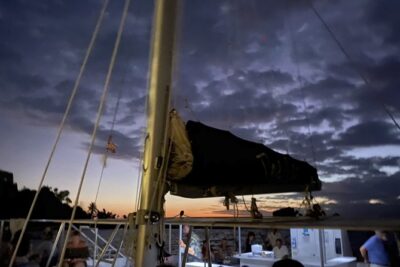
★ 5.0 · 1,215 reviews - Sunset & Harbor Lights Dinner Sail from the Marriott’s Frenchman’s Cove
★ 5.0 · 1,176 reviews
Gear, Safety, and Instructor Attention That Beginners Actually Feel
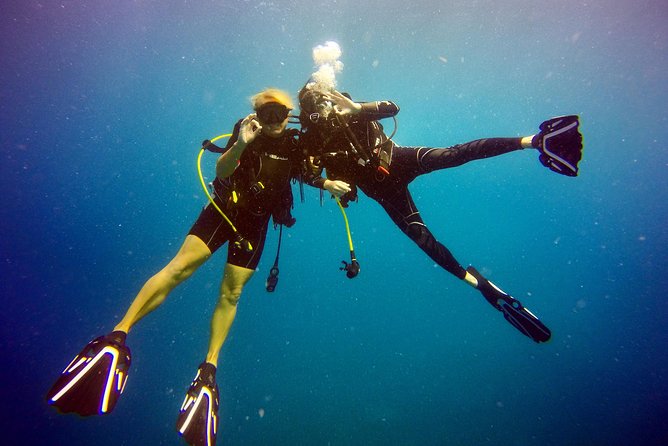
The package includes use of dive gear wording is listed, but what that means for you is simple: you get the equipment needed for training, so you’re not renting multiple items or trying to get used to unfamiliar gear on vacation.
Safety is handled through the structure: confined water first, then skills in open water, and check-out sessions supervised by a professional guide. The maximum group size also supports safety by keeping ratios more manageable.
This part matters because scuba success for beginners often comes down to communication and calm instruction. In the experience, instructors like Jaime and Kyle are repeatedly described as giving very clear explanations and staying patient while still being strict enough to keep you on track. Other instructor names that appear often include Abby, David, and Erika, with a theme of professional but fun teaching.
If you’re the type who needs reassurance, look for that teaching style. If you’re the type who wants a straightforward, no-nonsense approach, you’ll also probably appreciate the emphasis on doing the skills correctly.
Price and Value: Is $795 a Good Deal for Open Water Certification?
At $795 per person, this is not a budget activity. It’s closer to a full-service training package. The value comes from what you don’t have to manage:
- eLearning is not included, but in-water training is set up with the right structure and scheduling support
- scuba equipment is included
- instruction and professional guidance are included
- on-boat refreshment basics (water and snacks) are included
- small group size helps make your time count
Where you get less value is where you have to do extra work: completing eLearning on your own and coordinating the pool and second boat day. If you’re the kind of traveler who leaves online learning to the last minute, plan extra buffer time so you don’t get stuck.
Also, you’re paying for a credential you can use beyond this trip. That matters if you already know you want to keep going after you return home. If you want a one-and-done vacation splash, it might feel like a lot. If you want a real skill and future dive plans, the cost starts to make sense quickly.
Getting There: Saga Haven Marina, Timing, and Daily Logistics
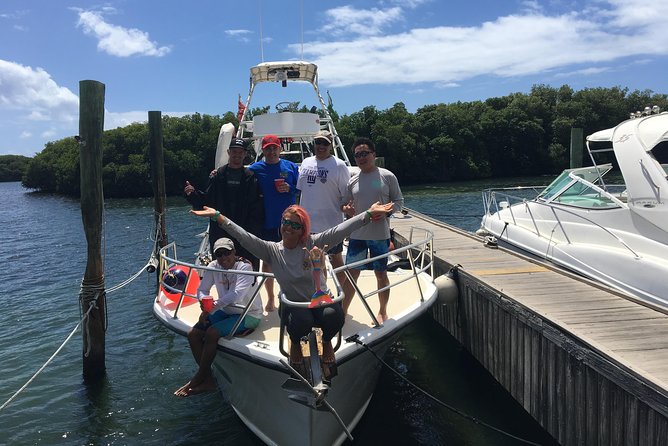
The meeting point is Saga Haven Marina, 00802, St Thomas, USVI, and the listed start time is 1:00 pm. The operator notes it’s near public transportation, so you may not need a private transfer depending on where you’re staying.
Hotel pickup and drop-off are not included, so you should plan your own transportation to the marina. That sounds minor, but it affects the morning you’ll be starting. Since the pool session is scheduled early morning and the open-water sessions require boat days, build extra time into your hotel schedule so you’re not rushing.
Also consider the swim and fitness requirement. You should have moderate physical fitness, and everyone must be able to swim comfortably in open water without assistance. Minimum age is 10, and children must be accompanied by an adult.
Who This Course Fits Best (and Who Should Rethink It)
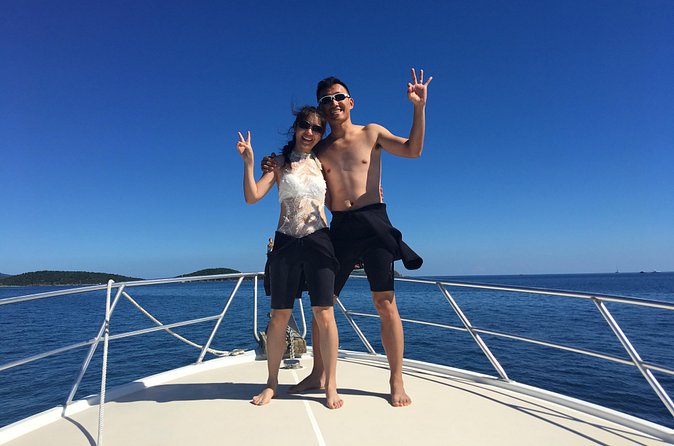
This Open Water certification setup is best for:
- first-time or returning scuba students who want step-by-step coaching
- people who like small group training
- travelers who can handle a homework component (eLearning) before their in-water days
- families and groups that want a clear, structured program with professional instruction, including teens and kids age 10 and up with an adult
You might think twice if:
- your schedule is too tight to complete eLearning in time and coordinate the pool and second boat day
- you have conditions that might affect medical clearance and you have not reviewed the Diver Medical Questionnaire process
If you’re active and comfortable in the water, this course can be a strong match because it doesn’t just say “good luck.” It trains you in phases and supports you with gear and a professional instructor.
Should You Book This St Thomas Open Water Certification Course?
If you want the credential and you’re willing to do the upfront eLearning, I’d book it. The combination of small group size, included equipment, structured confined water training, and two open-water boat days makes it feel like a real learning course rather than a casual try-it outing.
I’d only hesitate if you’re the type who needs everything handled for you and can’t manage online coursework or scheduling. If that’s you, ask the operator early how their scheduling works for your travel dates so you can avoid last-minute stress.
FAQ
Do I need to complete eLearning before I start the in-water sessions?
Yes. You need to complete the eLearning portion before beginning the in-water training. It typically takes about 6 to 12 hours, so start well ahead of your scheduled in-water day.
How many days in total should I plan for?
The course is listed as about 3 days. In the water, you should expect at least 3 half-days (about 1.5 days) to complete the open-water certification requirements.
What’s included in the price?
Your package includes beverages (including bottled water and soft drinks), snacks, a professional guide, and use of scuba gear. eLearning materials are not included.
Where do we meet, and what time does it start?
You meet at Saga Haven Marina, 00802, St Thomas. The listed start time is 1:00 pm, and the activity ends back at the meeting point.
Is hotel pickup or drop-off included?
No. Hotel pickup and drop-off are not included, so you’ll need your own transport to and from the meeting point.
What fitness or swimming level is required?
You should have a moderate physical fitness level. Everyone must be able to swim comfortably and competently in an open water environment without assistance.
How does flying work after the course?
You’re advised to allow at least 18 hours after your last underwater session before flying, to give your body time to adjust.
Newest off the St Thomas dock
- Sunset on the Water + Night Snorkeling with Guide in St. Thomas★ 5.0 · 3 reviews
- Private Sunset Charter + Guided Night Snorkeling in St Thomas★ 5.0 · 3 reviews
- ST.Thomas Private Airport One-Way Transfers★ 5.0 · 3 reviews
- Night Life Experience – St. Thomas USVI (3hrs)★ 5.0 · 3 reviews
- Coral Reef and Turtle Kayak Excursion★ 5.0 · 3 reviews
- St Thomas Private Airport Transfer★ 5.0 · 3 reviews
- Royal Limousine Service★ 5.0 · 3 reviews
- Prince Taxi & Tours St.Thomas Airport transfer to Redhook Ferry★ 5.0 · 3 reviews
St Thomas Tours, compared.
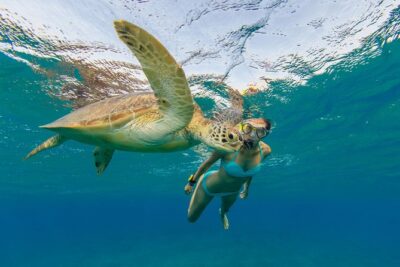
Turtle Cove Catamaran Snorkel and Sail at Little Buck Island STT
Read our review →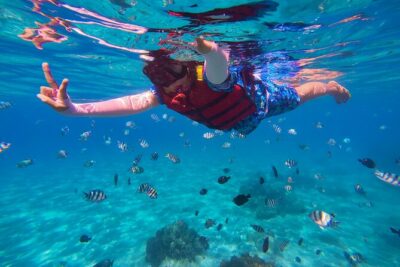
Snorkel St. John Tour from Sapphire and Margaritaville
Read our review →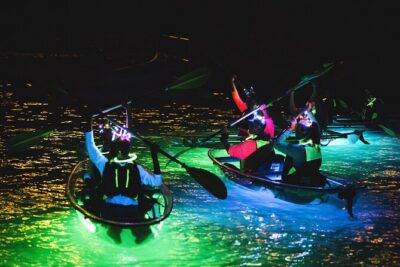
Night Kayak Tour St. Thomas – Westin Frenchman’s Reef
Read our review →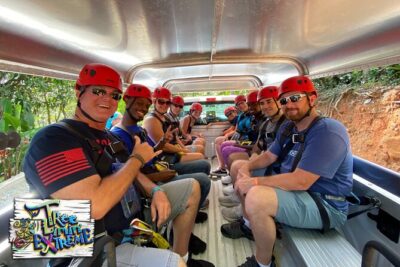
Afternoon Snorkel, Pizza & Sunset Tour departing from St. Thomas & St. John
Read our review →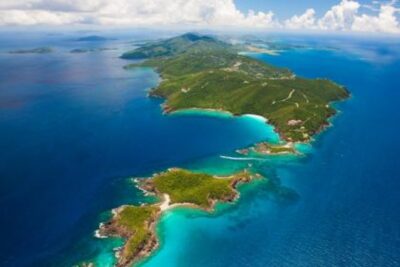
Sunset & Harbor Lights Dinner Sail from the Marriott’s Frenchman’s Cove
Read our review →
Sea Trek Helmet Dive at Coral World Ocean Park
Read our review →Browse the lists this tour appears in